Introduction
If you have ever filled a balloon and watched it float, you have already experienced the magic of helium. But what you may not realize is that this simple gas plays a much bigger role in your life. The helium shortage is becoming a serious global issue, and it is affecting industries you might never expect. From hospitals to technology, the helium shortage is more than just a problem for party stores.
In recent years, the helium shortage has caused price increases, supply disruptions, and growing concern among experts. You might notice higher costs for balloons, but behind the scenes, there is a deeper impact. Medical equipment, scientific research, and even space exploration rely on helium.
In this article, you will explore what is causing the helium shortage, why it matters, and how it could affect your future. We will break everything down in a simple and clear way so you can understand what is really going on.
What Is Helium and Why It Matters
Helium is a colorless and odorless gas. It is the second most abundant element in the universe. On Earth, however, it is quite rare. That is one reason the helium shortage has become such a big issue.
You might think helium is only for balloons, but that is far from the truth. It has unique properties that make it extremely valuable. It does not react easily with other elements. It also has a very low boiling point, which makes it ideal for cooling.
Key Uses of Helium
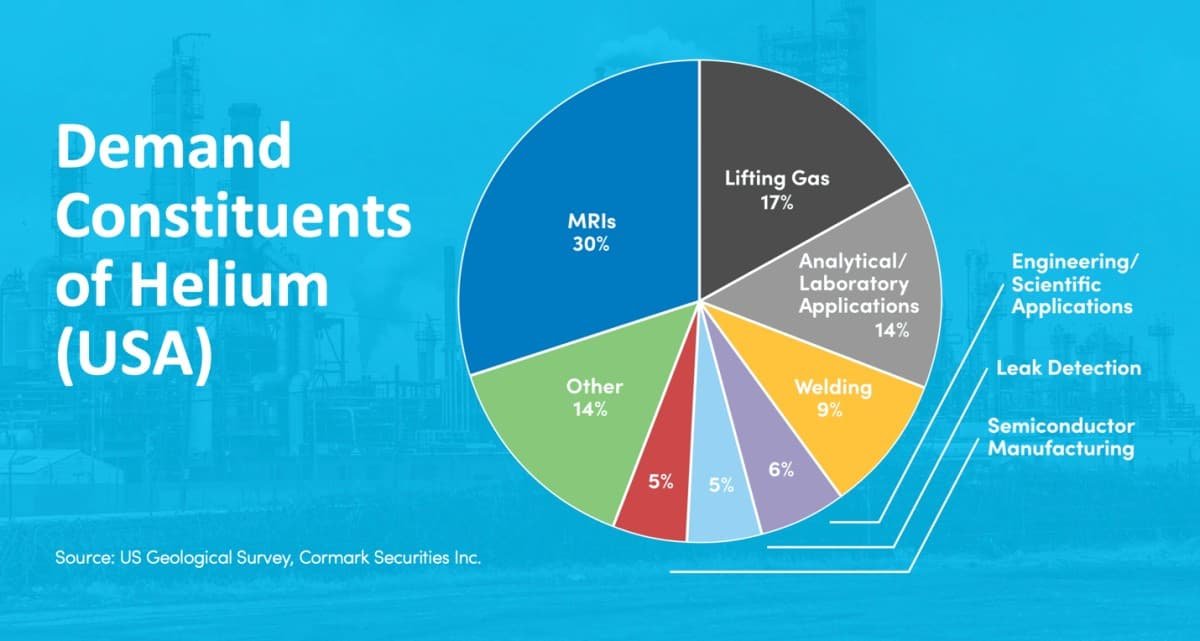
Here are some important ways helium is used today
-
Medical imaging machines like MRI scanners
-
Cooling systems in scientific labs
-
Manufacturing of semiconductors
-
Space exploration and rocket fuel systems
-
Fiber optic cable production
When the helium shortage hits, all these industries feel the impact.
Understanding the Helium Shortage
The helium shortage is not a new problem. It has happened several times over the past decades. However, recent shortages have been more severe and longer lasting.
The main issue is simple. Helium is not something we can easily create. It forms naturally over millions of years from radioactive decay underground. Once it escapes into the atmosphere, it is lost forever.
Why the Helium Shortage Happens
There are several key reasons behind the helium shortage
-
Limited natural sources
Helium is found in specific gas fields. Not every country has access to it. -
Production challenges
Extracting helium is complex and expensive. Any disruption can affect supply. -
Increased demand
Technology and healthcare industries are growing fast. This raises demand for helium. -
Storage issues
Helium is hard to store. It can leak easily, which adds to supply problems.
Because of these factors, the helium shortage continues to be a global concern.
A Brief History of Helium Supply Issues
The helium shortage has a long history. The United States once controlled a large portion of the global supply. It stored helium in a federal reserve for decades.
Over time, the government began selling off this reserve. This led to changes in supply and pricing. As other countries entered the market, the situation became more complex.
Major Helium Shortage Events
-
Early 2000s supply disruptions
-
Around 2012 global helium shortage
-
Recent shortages linked to plant shutdowns
Each time, industries had to adapt quickly. The current helium shortage is seen as one of the most challenging yet.
Industries Most Affected by the Helium Shortage
The helium shortage impacts many industries. Some of them are critical to your everyday life.
Healthcare Sector
Hospitals rely heavily on helium for MRI machines. These machines use helium to keep magnets cool. Without helium, they cannot function properly.
The helium shortage can lead to delays in medical services. In some cases, hospitals must reduce usage or pay higher costs.
Technology Industry
Helium is essential in manufacturing electronics. It is used in producing semiconductors and cooling systems.
If the helium shortage continues, it can slow down production. This may affect the availability of devices you use daily.
Scientific Research
Researchers depend on helium for experiments. It helps maintain extremely low temperatures.
The helium shortage can limit research progress. Some experiments may be delayed or canceled.
Party and Retail Businesses
Even small businesses feel the effects. Balloon shops often face supply issues and higher prices.
While this may seem minor, it shows how widespread the helium shortage really is.

The Global Supply Chain Problem
The helium shortage is not just about availability. It is also about how helium is distributed around the world.
A few countries dominate production. These include the United States, Qatar, and Algeria. Any disruption in these regions can affect global supply.
Common Supply Chain Challenges
-
Plant shutdowns due to maintenance or accidents
-
Political issues affecting exports
-
Transportation delays
-
Limited infrastructure for storage and delivery
All these factors contribute to the ongoing helium shortage.
Environmental Concerns and Helium
You might wonder if the helium shortage is linked to environmental issues. The answer is yes, but indirectly.
Helium is often extracted alongside natural gas. As the world shifts toward cleaner energy, natural gas production may decrease. This can reduce helium supply.
Also, once helium is released into the air, it escapes into space. It cannot be recovered. This makes conservation important.
Rising Prices and Economic Impact
One of the most noticeable effects of the helium shortage is rising prices.
Businesses that rely on helium must pay more. These costs are often passed on to consumers.
How Prices Are Affected
-
Increased production costs
-
Limited supply leading to higher demand
-
Transportation expenses
You may not notice it directly, but the helium shortage can influence the cost of medical care, electronics, and even party supplies.
Can We Replace Helium
This is a common question. Unfortunately, helium is difficult to replace in many applications.
Some alternatives exist, but they are not always effective. For example, hydrogen can lift balloons, but it is flammable and unsafe.
In scientific and medical uses, helium often has no perfect substitute. That is why the helium shortage remains a serious issue.
Efforts to Solve the Helium Shortage
The good news is that experts are working on solutions. Governments and companies are exploring ways to manage the helium shortage.
Current Solutions
-
Developing new helium extraction sites
-
Improving storage and transportation methods
-
Recycling helium in industrial processes
-
Investing in research for alternatives
Some companies are now capturing and reusing helium. This helps reduce waste and extend supply.
What You Can Do as a Consumer
You might feel like the helium shortage is beyond your control. While that is partly true, small actions can still help.
Simple Steps You Can Take
-
Use fewer helium balloons
-
Choose air filled decorations instead
-
Support businesses that use helium responsibly
I have personally started choosing non helium decorations for events. It may seem small, but it helps reduce demand over time.
Future Outlook of the Helium Shortage
The future of the helium shortage is uncertain. Some experts believe supply will stabilize as new sources are developed. Others warn that demand will continue to rise.
Possible Scenarios
-
Improved supply with new production facilities
-
Continued shortages due to rising demand
-
Increased focus on recycling and conservation
What is clear is that the helium shortage will remain an important issue for years to come.
Key Takeaways
-
Helium is essential for many industries
-
The helium shortage is caused by limited supply and rising demand
-
Healthcare and technology are heavily affected
-
Prices are increasing due to the helium shortage
-
Solutions are being explored, but challenges remain
Conclusion
The helium shortage is more than just a supply problem. It is a global issue that affects healthcare, technology, and everyday life. Understanding the helium shortage helps you see why this invisible gas is so valuable.
As demand continues to grow, finding solutions becomes more important. Whether it is through innovation, conservation, or smarter use, every step matters.
So next time you see a floating balloon, you might think about the bigger picture. How do you think the world should handle the helium shortage in the future?
FAQs
1. What is causing the helium shortage
The helium shortage is caused by limited natural sources, production issues, and rising global demand.
2. Why is helium important in hospitals
Helium is used to cool MRI machines, which are essential for medical imaging.
3. Can helium be reused
Yes, in some industries helium can be captured and recycled to reduce waste.
4. Is the helium shortage getting worse
In recent years, the helium shortage has become more severe due to higher demand and supply disruptions.
5. Are there alternatives to helium
Some alternatives exist, but they are not as effective or safe in many uses.
6. How does the helium shortage affect prices
The helium shortage increases costs for industries, which can lead to higher prices for consumers.
7. Which countries produce the most helium
Major producers include the United States, Qatar, and Algeria.
8. Will the helium shortage end soon
It is uncertain. New sources may help, but demand continues to grow.